Audio recordings
8 clips · 36 min · 7 with intelligible speechSeveral files in the release are audio recordings — an audio track behind a static logo and waveform, not sensor video. By content they are NASA space-mission audio: astronaut debriefs and air-to-ground comms describing visual phenomena (eye “light flashes”, luminescent particles). Listen below, with the waveform, spectrogram, and an auto-transcript. Transcripts are machine-generated (Whisper) and may contain errors.

Transcript (409 words) ▾
And I'm beginning to get the brilliant blue of sun rising in the east. Right blue band underneath all this haze layer. I can see the haze layer. And the right band of light demarcation coming underneath it. It's quite distinctive. It has a faint taste to it. It's where there are clouds, apparently. Roger and wide, phase seven, ready and loud, clear. Roger to wide, phase seven, ready and loud and clear. Roger, understand. Roger, I'm just small end forward, 180 degree approaching sunrise. Over. Roger. These small luminescent particles drift away from you, small end forward. And this light, they appear brilliant white without seeing it all in them. They appear to move on out, ever around, back towards the flight path. And here, I don't think. Roger, you haven't seen the beacon at this time. Negative, I still haven't seen the beacon. Sure. There was considerable noise, though. Is there something we're departing? Against seven. Several noise, as the little doors sound like the little doors blowing open, so I assume the beacon has departed. Roger, understand. PM looks real good on the ground. Roger. You confirm TV control, switch to off. Roger, TV control is off. Roger, DC current. Roger, main bus is 24, isolated 28 and a half. Roger. Negative, not yet. I'm planning to shortly here, though. Information, systems last computations on fuel at Hawaii gave you 88 auto 98 manual, which is somewhat better than you're indicating on board. Roger, on board. I'm indicating 96 and 102. Roger, what a beautiful shot of Florida. Roger, looks good from here once in a while, too. Roger, the whole state is clear. I can see just about off. There's been a beautiful view coming over Florida. Roger. Roger. Roger. Okay, on 180, you're on. I got here on manual proportional control. I'm at last daylight, going in the dark. I've been looking for the flashing beacon. 50518. Now, 28, I'm sorry, not 18. It's light in sight. It is below me. It's quite a brownish, reddish brown, and settable. altitude above the ground. It's kind of my fiery, pitch-down thruster. I get a shower of these little fireflies. It is flashing now. It is the light. It's quite bright, quite discernible. One, two, three, four, five, six, seven, right. There's to be about 10 to 12 miles away. I'm keeping it directly in the window. At the order of a second magnitude star now.
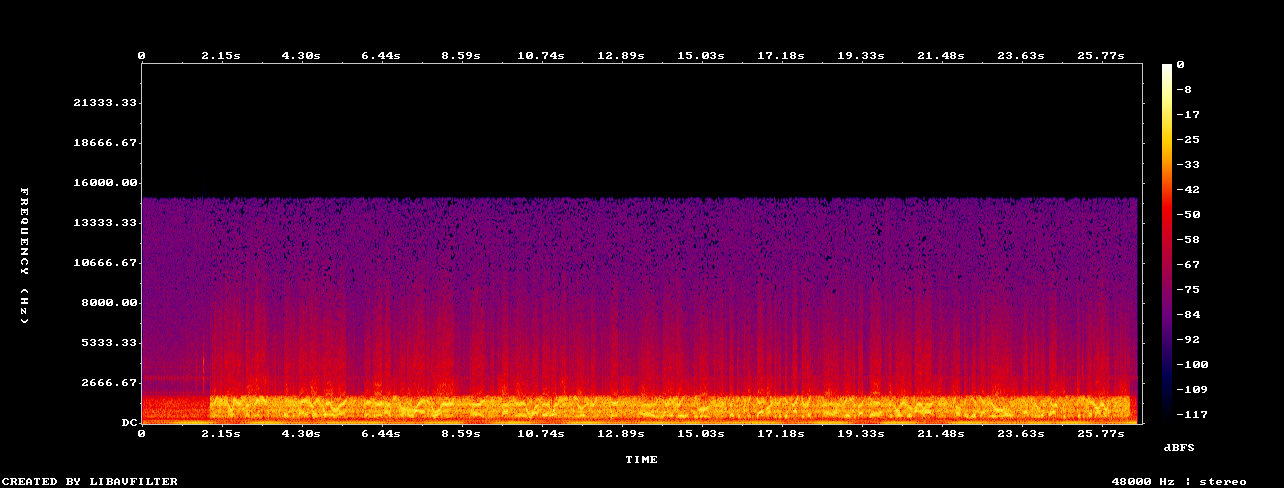
Spectrogram ▾

Transcript (533 words) ▾
Listen we read this paragraph in here about these quotes coronal Discharges that you guys were seeing and and that that completely stops us Tell it tell us what how this came about and who who talked to you about and what it and what you saw Two things were the VHF radio devices which could be discharges from some places place and the other one where A photo of Neel's flight. We've got airport is being planted on spacecraft. It's nice with their eyes closed. They noticed them when they were awake at night the spacecraft was dark and they thought they were in the spacecraft. But whoever this guy wants to know, that's a perfectly known phenomenon. You can get discharges across their eyes from gamma rays or So they had a bunch of things would we hold our eyes and face the moon, you know, we were orbiting it because it would be more We get less discharges facing the moon and away from us But you know that's the mean we're to do the moon or anywhere the first night happening And it's just keep your eyes closed and you're awake down there and it's dark and you think about it You see it both sides and really, you know one eye or the other I because we won't mind it is we had two kinds I guess the particle either straight the eyeball perpendicular or or it's very parallel and we give either a a flag like that or we get a street and And I feel good I know the baby got a bad and I for some reason got a more with my eyes and my right eye, but I can tell which I was They should have protected you dick they should have all they should have picked them all up I Remember their conversation about it Well, we've been looking For cosmic rays, you know cosmic ray strikes and Heavy heavy particles heavy nuclei that go through and you know, we started a clear back in Mercury Taking photographs of the retina see if you could see his streaks across the retina and stuff We never could find any in there. And so we stopped that up early and well by the end of the Well, probably what what it's doing anyway, it's probably hitting just a single cell and Yeah, that's all I'd have to do particularly make this flash. You know you hit a single cell Hold your eyes Let me ask you one more question about heart oh here Okay Were these were these things random that or did they all seem to be in one direction? Like were they always horizontal or were they at random? They could be at any kind of angle If I do where I was looking at always people like the heart of the center and it always even went from right to left Like somebody was flashing a light at you Is that the same reaction you had dick and how the way he described it But about the same they seem to appear about the same place And There was a comment that
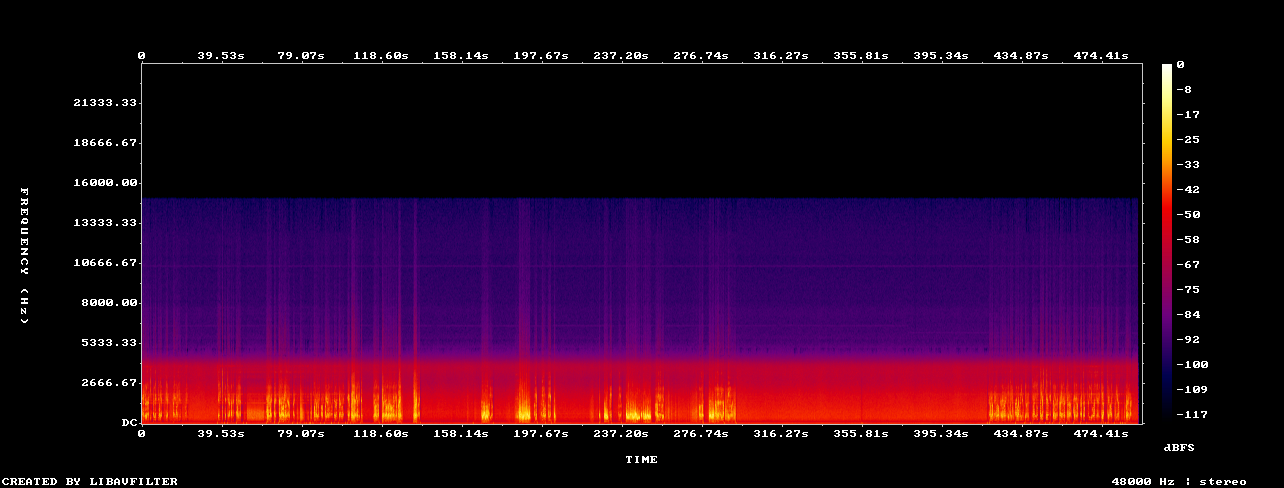
Spectrogram ▾

Transcript (311 words) ▾
Gently controlled here again. Earlier in the flight you'll recall at the start of the second revolution we had a reference to several objects that the crew spotted. This was in the area of Antigua. Due to a mechanical breakdown we did not have that portion of the tape available for you. This was a line breakdown between building 30 and our new center building 6. Since then we have dubbed the tape off the master tape here in the control center and we are now prepared to play it for you. It contains references to citing not only some particles but as well as an unidentified object plus the booster. Here's that tape, we'll play it for you now. This is Houston, say again 7. Roger. you have any more information, estimate distance or size? Understand you also have the booster in sight Roger. Very, very many, it looks like hundreds of little particles drawing by from the left about 3 to 4 miles. Understand you have many small particles going by on the left at what distance? Roger, understand they're about 3 to 4 miles away? Roger, and understand they're about 3 to 4 miles away? Roger. Houston to the booster and the bogey at 10 o'clock high. Roger. Go ahead. Roger, what direction is it from you? Houston. Does that mean it's ahead of you? It's ahead of us, 2 o'clock slowly, complete. Roger. 4S-9-1. Go 5-9-1. Go 5-9-1, second. Unidentified object, of course, was, or the third object, was a bogey. There were several references to the bogey. This is the unidentified object in addition to particles which appear to be headed in a polar orbit, you heard Frank Borman say, plus Jim Lovell discussing the booster. It was Borman who reported citing the bogey. This is Germany-controlled Houston at 4 hours, 24 minutes into the flight.
Spectrogram ▾

Transcript (386 words) ▾
A few very bright particles or fragments or something that go drifting by as we maneuver. Glad you understand. Yeah, there's a whole bunch of big ones out my window, there. Just bright. Looks like the Fourth of July out around the window. Yeah, nice. See some of them in shape. They're very jagged, angular fragments. They look like fluid, I'm certain. Not to me, they look like pieces or something. Roger. They're very bright. Jack, we'd like Omni, Charlie. Yeah. Yeah. Well, for the most part, these fragments are not, are tumbling at a very slow rate. I've tried a couple pictures of them at different settings. You may get an idea of what at least the patterns look like. Roger, I got you. We're all ears on these fragments. Well, you know, I don't know. There are a number of possibilities. If you had some kind of a, I got the impression maybe they were curved a little bit as if they might be off the side of the S-4B. That's a wild guess. Okay, RCS Logicus. Ice chunks, possibly, and maybe there's paint coming off of it. Roger. I noticed on one trip up the elevator last week, one of the flags, I thought it was an S-2, but it might be an S-4 that looked like it was stealing. Maybe it was stealing. Roger, that's what you got. And the S-4B maneuver is complete. Okay, we'll set two o'clock. Okay, and the maneuver complete, the fragment field is essentially static, except for very slight tumbling within the fragment. Roger, copy that. Every once in a while, a fragment of considerably higher velocity than the others goes across my window, but that's very rare. Roger. Okay, that's that field of view I saw on my window. Doc, do you see it now? Yeah. Bob, at least there's no apparent relative motion between fragments. I had to understand. I'll take two pictures about a minute apart, if I can, and it'll be frame 70. Okay, frame 70. And Bob, it's Gino, my impression is that they are flat, flake-like particles, some maybe six inches across, and although there's no relative motion between the two, most of them seem to be twinkling, and I think for the most part they're all moving away from us.
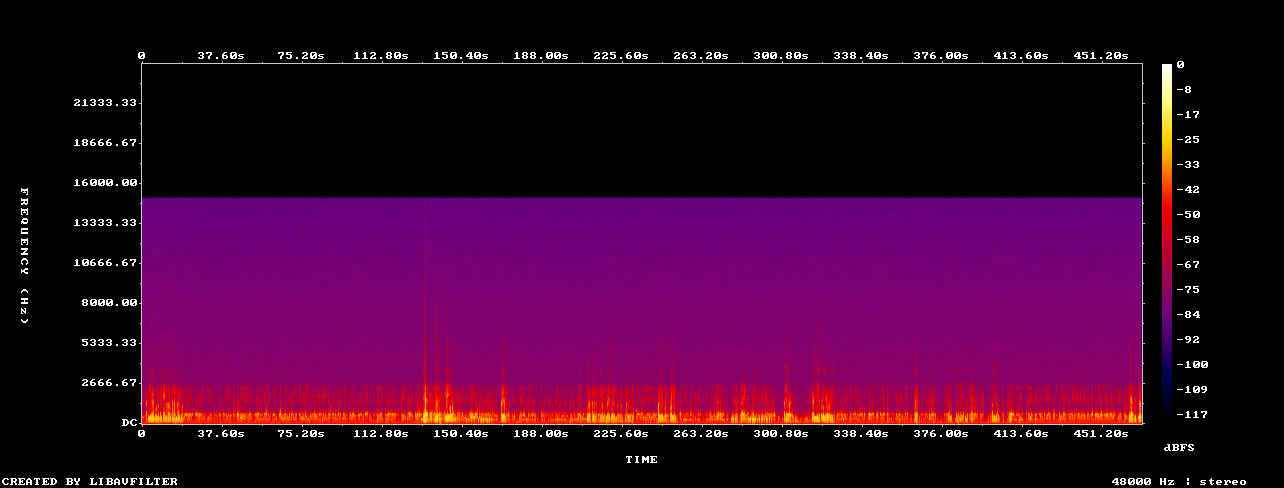
Spectrogram ▾
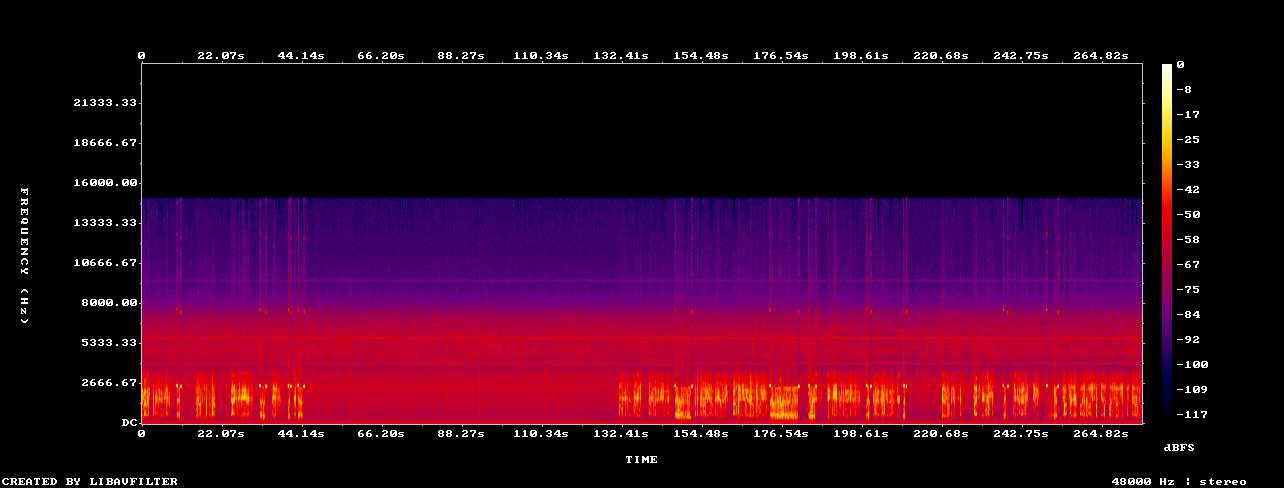

Transcript (252 words) ▾
I have some pretty stars in sight. And also I have the little white objects that seem to come from the capsule itself. And drift off. And if they are a yard check, it's fantastic. I suspect that the star I see is Arcturus. They're very interesting. It is neither. It is one of the white objects. So now two stars are standing quite still. The white object actually looked like it came toward me. But it wasn't. You can actually see the particle there, flying off. And as John described it, it's a wave shaving. It's a very good description of it. My rates are now just about zero in all three axes. I still have light in the periscope, of course. I'm looking straight up. And yet at this point, Mr. G, at my altitude, is, I get the couch here, I really can't take it too early on. Just about inversion at this point. And my nose is above the horizon. As a result, I notice that these particles keep tending after me, relative to me, at any time. Periscope is blocking up rather rapidly at sunset. It's almost blocked out completely at this point. And it's really not used to me. So. Real burst of light in the window, and I really don't know what it is. This point, I should be coming up on a sunset. Five hours and 15 minutes. Periscope is dark. I must be just getting a last look at the horizon. (motor whirring)
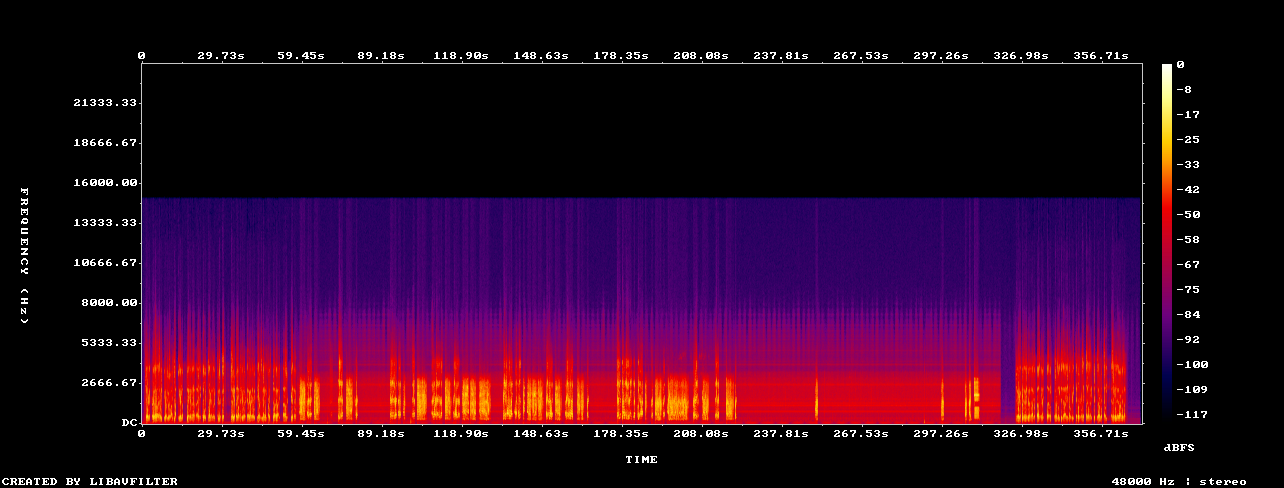
Spectrogram ▾
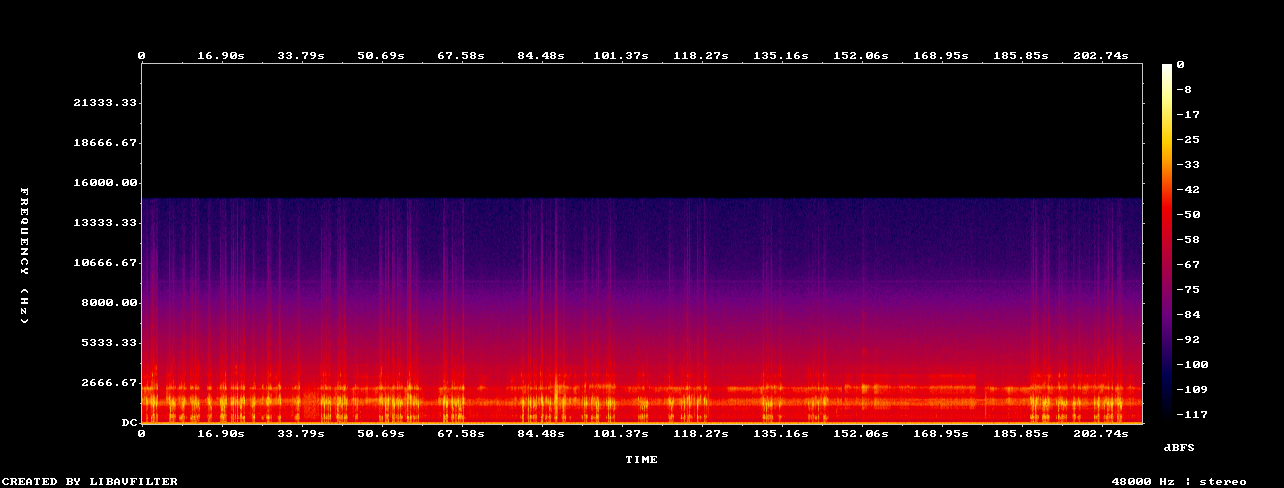

Transcript (146 words) ▾
And now at one hour, at this time, I now have one hour and 21 minutes, and I am observing John's fireflies drifting away from me. I can observe them, uh, sort of a departing from the spacecraft and drifting out to the ridge. I can see some of them considerable distance out to the rear. Sun is coming up behind me. I'm beginning to get the glow on the clouds. Fireflies appear to be white, very whitish, uh, with almost a green-like rail fireflies. Clouds on the Earth, below, are changing color, are getting quite light. [Sound of waves] And I am now on the day side. The sun is not yet quite up, and I am observing stars. The Earth is light below me. The sun is still behind me. The sky looks dark above me, and I can see stars very distinctly. you
Spectrogram ▾
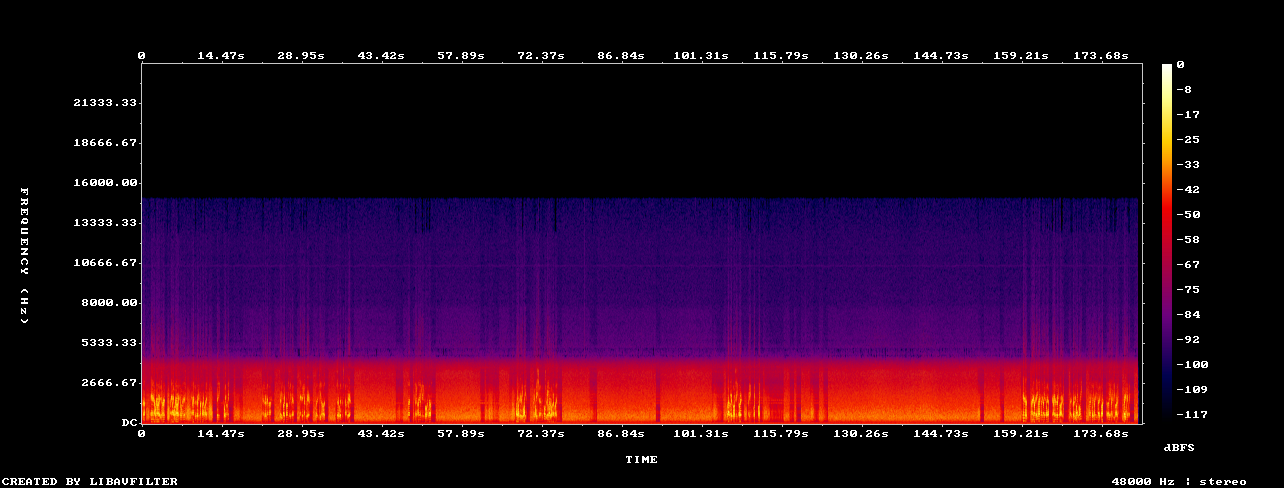

Transcript (116 words) ▾
I have the more of the white particles in view below the capsule. They appear to be traveling exactly my speed. There is one drifting off. It's going faster than I am, as a matter of fact. There are a number of these particles, but I've seen a few of them. Their motion is random. They look exactly like snowflakes to me. Roger. Have you tried to return negative? Let me get within scanner limits first. Sing it. I must adjust my attitude to within scanner limits first. Roger. There were some more of those little particles. They definitely look like snowflakes this time. Roger, I understand your party will look like definite snowflakes. However, Roger.
Spectrogram ▾

No intelligible speech detected — likely radio static / chatter.
Spectrogram ▾